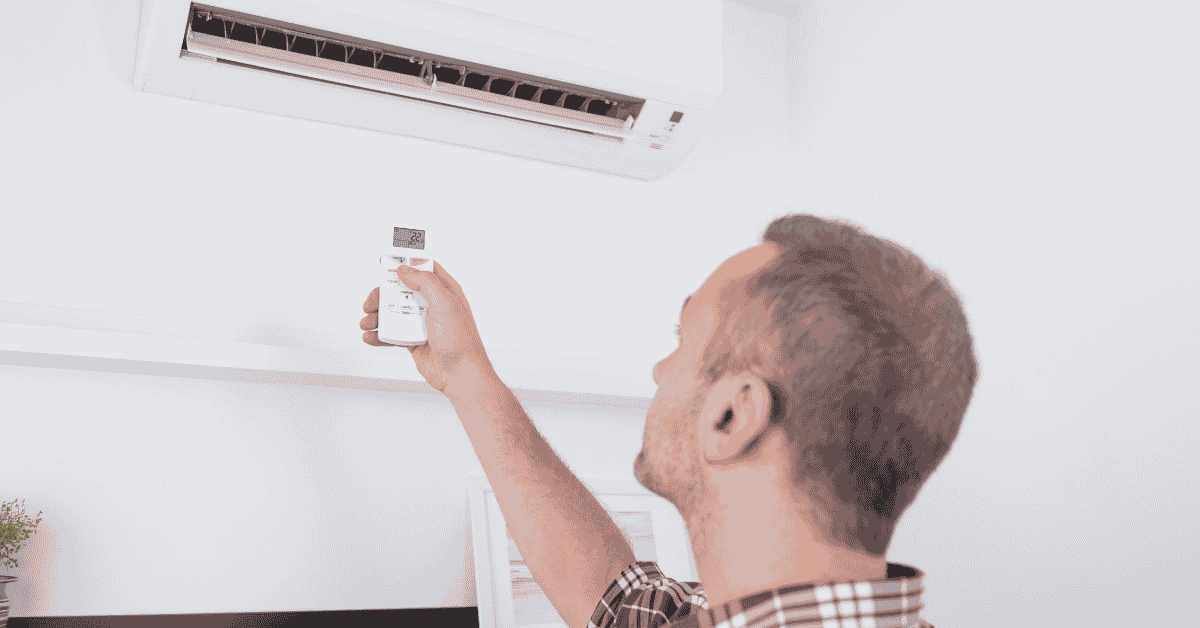
Few things are more frustrating than turning on your air conditioner during a hot summer day in Phoenix only to discover that warm air is coming from your vents instead of cool air.
When outdoor temperatures regularly exceed 100°F, a properly functioning air conditioner is essential for maintaining a comfortable and safe indoor environment. If your AC suddenly starts blowing warm air, it usually means something in the system isn’t working correctly.
The good news is that many of these issues can be diagnosed and repaired quickly. Understanding the most common causes can help homeowners know when a simple fix may solve the problem—or when it’s time to call a professional HVAC technician.
1. Incorrect Thermostat Settings
Before assuming your AC system is malfunctioning, it’s important to check your thermostat settings.
Sometimes the thermostat may accidentally be switched to:
-
“Heat” mode instead of “Cool”
-
Fan mode instead of cooling mode
When the fan is running without the cooling system engaged, air will circulate through the home but won’t be cooled.
Make sure your thermostat is set to “Cool” and the desired temperature is lower than the current room temperature.
2. Dirty or Clogged Air Filters
One of the most common causes of poor cooling performance is a dirty air filter.
When filters become clogged with dust and debris, they restrict airflow throughout the HVAC system. This prevents the system from properly circulating cool air and may even cause the evaporator coil to freeze.
Signs of a dirty air filter include:
-
Weak airflow from vents
-
Increased dust around the home
-
AC running longer than usual
In Phoenix’s dusty desert environment, homeowners should typically replace air filters every 30–60 days during the summer months.
3. Refrigerant Leaks
Refrigerant is the substance that allows your AC system to remove heat from inside your home. If refrigerant levels drop due to leaks, the system cannot effectively cool the air.
Common signs of low refrigerant include:
-
Warm air blowing from vents
-
Ice forming on refrigerant lines
-
Hissing or bubbling sounds near the unit
Refrigerant issues should always be handled by licensed HVAC professionals, as the system must be properly repaired and recharged.
4. Frozen Evaporator Coils
Evaporator coils absorb heat from the air inside your home. However, if airflow becomes restricted or refrigerant levels drop, moisture on the coils can freeze.
When the coils freeze, the AC system cannot effectively cool the air.
Possible causes include:
-
Dirty air filters
-
Blocked air vents
-
Low refrigerant levels
-
Mechanical issues within the blower motor
If you notice ice forming on your indoor unit or refrigerant lines, turning the system off and contacting an HVAC technician is recommended.
5. Problems with the Outdoor Condenser Unit
Your air conditioner’s outdoor unit plays a critical role in releasing heat that has been removed from your home.
If the condenser becomes dirty or blocked, it cannot release heat effectively. As a result, the system may blow warm air indoors.
Homeowners should regularly inspect the outdoor unit and ensure it is free from:
-
Dirt buildup
-
Leaves
-
Debris
-
Overgrown plants
Maintaining at least two feet of clearance around the unit helps ensure proper airflow.
6. Electrical or Compressor Issues
The compressor is one of the most important components of an air conditioning system. It circulates refrigerant between the indoor and outdoor units.
If the compressor or related electrical components fail, the system may run without actually cooling the air.
These issues typically require professional diagnostics and repair from experienced HVAC technicians.
Professionals at AC Medics can inspect electrical components, test system performance, and restore proper cooling.
When to Call an HVAC Professional
Some AC issues—such as replacing an air filter or adjusting thermostat settings—can be handled by homeowners. However, many cooling problems require professional expertise.
If your AC continues blowing warm air after basic troubleshooting, it’s best to contact a licensed HVAC technician.
Professional inspections can identify issues such as:
-
Refrigerant leaks
-
Frozen evaporator coils
-
Compressor failures
-
Electrical problems
Addressing these issues early can prevent more serious damage to your system.
Keeping Your Home Cool in the Phoenix Heat
Air conditioning systems work extremely hard in Phoenix’s desert climate. When something goes wrong, it’s important to address the issue quickly to restore comfort and prevent further damage.
Routine maintenance, regular filter changes, and professional inspections can help keep your AC system operating efficiently throughout the hottest months of the year.
If your air conditioner is blowing warm air or struggling to keep your home cool, the experienced technicians at AC Medics can diagnose the issue and recommend the most effective solution to restore comfort in your home.
AC Feeling Under the Weather?
Schedule a Checkup Now!
Few things are more frustrating than turning on your air conditioner during a hot summer day in Phoenix only to discover that warm air is coming from your vents instead of cool air.
When outdoor temperatures regularly exceed 100°F, a properly functioning air conditioner is essential for maintaining a comfortable and safe indoor environment. If your AC suddenly starts blowing warm air, it usually means something in the system isn’t working correctly.
The good news is that many of these issues can be diagnosed and repaired quickly. Understanding the most common causes can help homeowners know when a simple fix may solve the problem—or when it’s time to call a professional HVAC technician.
1. Incorrect Thermostat Settings
Before assuming your AC system is malfunctioning, it’s important to check your thermostat settings.
Sometimes the thermostat may accidentally be switched to:
-
“Heat” mode instead of “Cool”
-
Fan mode instead of cooling mode
When the fan is running without the cooling system engaged, air will circulate through the home but won’t be cooled.
Make sure your thermostat is set to “Cool” and the desired temperature is lower than the current room temperature.
2. Dirty or Clogged Air Filters
One of the most common causes of poor cooling performance is a dirty air filter.
When filters become clogged with dust and debris, they restrict airflow throughout the HVAC system. This prevents the system from properly circulating cool air and may even cause the evaporator coil to freeze.
Signs of a dirty air filter include:
-
Weak airflow from vents
-
Increased dust around the home
-
AC running longer than usual
In Phoenix’s dusty desert environment, homeowners should typically replace air filters every 30–60 days during the summer months.
3. Refrigerant Leaks
Refrigerant is the substance that allows your AC system to remove heat from inside your home. If refrigerant levels drop due to leaks, the system cannot effectively cool the air.
Common signs of low refrigerant include:
-
Warm air blowing from vents
-
Ice forming on refrigerant lines
-
Hissing or bubbling sounds near the unit
Refrigerant issues should always be handled by licensed HVAC professionals, as the system must be properly repaired and recharged.
4. Frozen Evaporator Coils
Evaporator coils absorb heat from the air inside your home. However, if airflow becomes restricted or refrigerant levels drop, moisture on the coils can freeze.
When the coils freeze, the AC system cannot effectively cool the air.
Possible causes include:
-
Dirty air filters
-
Blocked air vents
-
Low refrigerant levels
-
Mechanical issues within the blower motor
If you notice ice forming on your indoor unit or refrigerant lines, turning the system off and contacting an HVAC technician is recommended.
5. Problems with the Outdoor Condenser Unit
Your air conditioner’s outdoor unit plays a critical role in releasing heat that has been removed from your home.
If the condenser becomes dirty or blocked, it cannot release heat effectively. As a result, the system may blow warm air indoors.
Homeowners should regularly inspect the outdoor unit and ensure it is free from:
-
Dirt buildup
-
Leaves
-
Debris
-
Overgrown plants
Maintaining at least two feet of clearance around the unit helps ensure proper airflow.
6. Electrical or Compressor Issues
The compressor is one of the most important components of an air conditioning system. It circulates refrigerant between the indoor and outdoor units.
If the compressor or related electrical components fail, the system may run without actually cooling the air.
These issues typically require professional diagnostics and repair from experienced HVAC technicians.
Professionals at AC Medics can inspect electrical components, test system performance, and restore proper cooling.
When to Call an HVAC Professional
Some AC issues—such as replacing an air filter or adjusting thermostat settings—can be handled by homeowners. However, many cooling problems require professional expertise.
If your AC continues blowing warm air after basic troubleshooting, it’s best to contact a licensed HVAC technician.
Professional inspections can identify issues such as:
-
Refrigerant leaks
-
Frozen evaporator coils
-
Compressor failures
-
Electrical problems
Addressing these issues early can prevent more serious damage to your system.
Keeping Your Home Cool in the Phoenix Heat
Air conditioning systems work extremely hard in Phoenix’s desert climate. When something goes wrong, it’s important to address the issue quickly to restore comfort and prevent further damage.
Routine maintenance, regular filter changes, and professional inspections can help keep your AC system operating efficiently throughout the hottest months of the year.
If your air conditioner is blowing warm air or struggling to keep your home cool, the experienced technicians at AC Medics can diagnose the issue and recommend the most effective solution to restore comfort in your home.