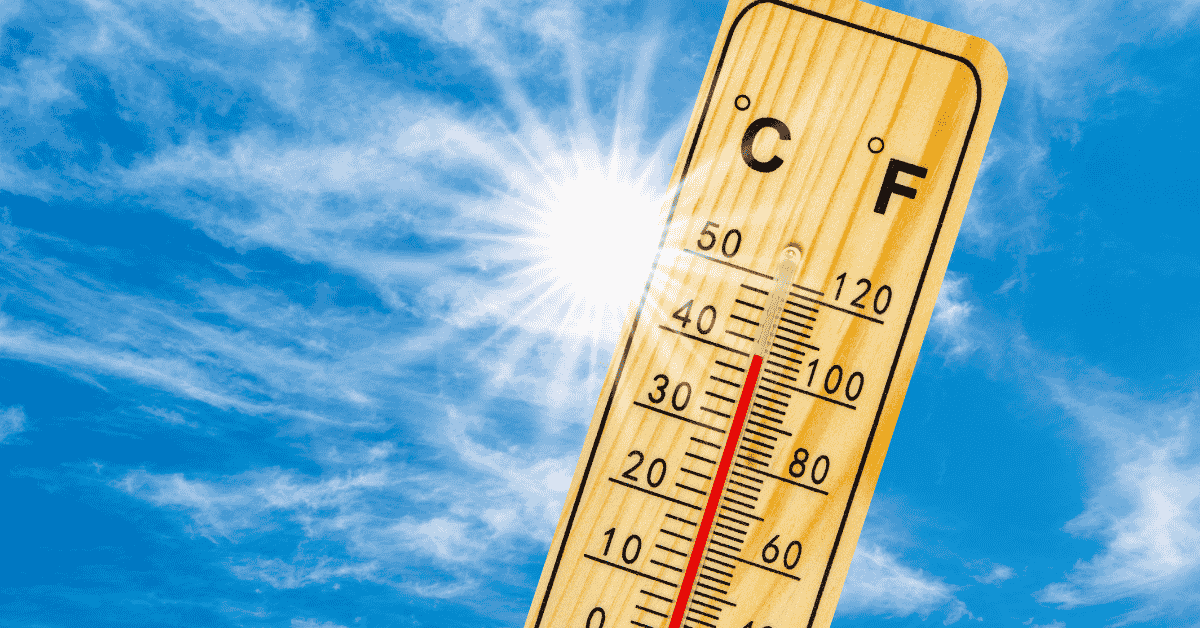
In Phoenix, extreme heat isn’t a possibility — it’s a guarantee. Every year, temperatures climb past triple digits, and when they do, your HVAC system becomes the most important system in your home. Yet many homeowners don’t think about their air conditioning until it starts blowing warm air on a 110-degree day.
The problem? By the time a heat wave arrives, HVAC companies across the Valley are flooded with emergency calls. Preventative preparation isn’t just smart — it’s essential. If you’re wondering whether your system is truly ready for the next Arizona heat wave, this guide will walk you through what to look for, what to fix, and how to avoid being stuck without air conditioning when you need it most.
Why Arizona Heat Is So Hard on HVAC Systems
Air conditioning systems in Phoenix work harder than almost anywhere else in the country. Long summers, intense heat, monsoon dust, and constant run times push systems to their limits. Over time, that strain leads to wear on critical components like compressors, capacitors, coils, and motors.
Even a well-installed system can struggle if it hasn’t been properly maintained. Small issues that might go unnoticed during mild weather can quickly turn into major failures once temperatures spike.
Warning Signs Your HVAC System Isn’t Ready
Before the next heat wave hits, pay attention to these common red flags:
Weak or Uneven Airflow
If certain rooms feel warmer than others, your system may be dealing with clogged filters, duct issues, or a failing blower motor.
Rising Energy Bills
A sudden increase in energy costs often signals an inefficient HVAC system that’s working overtime to keep up.
Warm Air from Vents
This is one of the clearest signs that your air conditioner needs service — and it usually gets worse during extreme heat.
Unusual Noises or Odors
Grinding, buzzing, rattling, or burning smells shouldn’t be ignored. These issues often lead to system breakdowns if left unchecked.
Short Cycling
If your AC turns on and off frequently, it may be struggling to regulate temperature — a common precursor to failure during heat waves.
The Role of Preventative HVAC Maintenance
Routine HVAC maintenance is one of the most effective ways to prepare for Arizona’s heat. A professional inspection and tune-up can identify worn parts, electrical issues, refrigerant problems, and airflow restrictions before they cause a full system shutdown.
Maintenance also improves efficiency, which means your air conditioner can cool your home faster while using less energy — a major benefit when your system is running nonstop during summer.
Why “AC Repair Near Me” Searches Spike During Heat Waves
Every summer, Phoenix homeowners flood search engines with terms like ac repair near me, hvac near me, and hvac service near me. That’s because heat waves expose hidden issues fast. Capacitors fail, coils freeze, and refrigerant leaks worsen under extreme conditions.
The homeowners who avoid emergency repairs are almost always the ones who scheduled service ahead of time.
When to Consider AC Repair vs. AC Replacement
If your system is struggling, you may wonder whether repair is enough or if replacement makes more sense.
AC repair may be the right option if:
-
Your system is under 10 years old
-
The issue is minor or isolated
-
Your energy bills are still reasonable
AC replacement or new AC install may be smarter if:
-
Your system is over 12–15 years old
-
You’re facing frequent breakdowns
-
Repair costs keep adding up
-
Your home never feels fully comfortable
In Phoenix, older systems often can’t keep up with today’s cooling demands — even after repairs.
How AC Installation Impacts Summer Comfort
Proper air conditioner installation matters just as much as the unit itself. Incorrect sizing, poor duct connections, or improper airflow can reduce efficiency and comfort from day one.
Professional air conditioner installation ensures your system is designed to handle Phoenix heat, keep indoor temperatures consistent, and avoid unnecessary strain.
Simple Steps Homeowners Can Take Right Now
Before the next heat wave arrives, homeowners can take these proactive steps:
-
Replace air filters regularly
-
Keep outdoor units clear of debris
-
Schedule professional HVAC maintenance
-
Address small issues early
-
Avoid waiting until your system fails
These small actions make a big difference when temperatures soar.
Why Working With a Local HVAC Company Matters
Local HVAC companies understand the specific challenges Phoenix homes face — from extreme heat to dust and monsoon weather. Choosing experienced HVAC professionals helps ensure your system is maintained, repaired, or installed with Arizona conditions in mind.
Stay Ahead of the Heat
Arizona heat waves don’t give second chances. Preparing your HVAC system now helps protect your comfort, your budget, and your peace of mind.
If you’re searching for hvac repair, hvac service near me, ac installation near me, or preventative maintenance, the team at AC Medics is ready to help. Call 623-266-2660 to schedule service or learn how to keep your system running strong through the hottest months of the year.
AC Feeling Under the Weather?
Schedule a Checkup Now!
In Phoenix, extreme heat isn’t a possibility — it’s a guarantee. Every year, temperatures climb past triple digits, and when they do, your HVAC system becomes the most important system in your home. Yet many homeowners don’t think about their air conditioning until it starts blowing warm air on a 110-degree day.
The problem? By the time a heat wave arrives, HVAC companies across the Valley are flooded with emergency calls. Preventative preparation isn’t just smart — it’s essential. If you’re wondering whether your system is truly ready for the next Arizona heat wave, this guide will walk you through what to look for, what to fix, and how to avoid being stuck without air conditioning when you need it most.
Why Arizona Heat Is So Hard on HVAC Systems
Air conditioning systems in Phoenix work harder than almost anywhere else in the country. Long summers, intense heat, monsoon dust, and constant run times push systems to their limits. Over time, that strain leads to wear on critical components like compressors, capacitors, coils, and motors.
Even a well-installed system can struggle if it hasn’t been properly maintained. Small issues that might go unnoticed during mild weather can quickly turn into major failures once temperatures spike.
Warning Signs Your HVAC System Isn’t Ready
Before the next heat wave hits, pay attention to these common red flags:
Weak or Uneven Airflow
If certain rooms feel warmer than others, your system may be dealing with clogged filters, duct issues, or a failing blower motor.
Rising Energy Bills
A sudden increase in energy costs often signals an inefficient HVAC system that’s working overtime to keep up.
Warm Air from Vents
This is one of the clearest signs that your air conditioner needs service — and it usually gets worse during extreme heat.
Unusual Noises or Odors
Grinding, buzzing, rattling, or burning smells shouldn’t be ignored. These issues often lead to system breakdowns if left unchecked.
Short Cycling
If your AC turns on and off frequently, it may be struggling to regulate temperature — a common precursor to failure during heat waves.
The Role of Preventative HVAC Maintenance
Routine HVAC maintenance is one of the most effective ways to prepare for Arizona’s heat. A professional inspection and tune-up can identify worn parts, electrical issues, refrigerant problems, and airflow restrictions before they cause a full system shutdown.
Maintenance also improves efficiency, which means your air conditioner can cool your home faster while using less energy — a major benefit when your system is running nonstop during summer.
Why “AC Repair Near Me” Searches Spike During Heat Waves
Every summer, Phoenix homeowners flood search engines with terms like ac repair near me, hvac near me, and hvac service near me. That’s because heat waves expose hidden issues fast. Capacitors fail, coils freeze, and refrigerant leaks worsen under extreme conditions.
The homeowners who avoid emergency repairs are almost always the ones who scheduled service ahead of time.
When to Consider AC Repair vs. AC Replacement
If your system is struggling, you may wonder whether repair is enough or if replacement makes more sense.
AC repair may be the right option if:
-
Your system is under 10 years old
-
The issue is minor or isolated
-
Your energy bills are still reasonable
AC replacement or new AC install may be smarter if:
-
Your system is over 12–15 years old
-
You’re facing frequent breakdowns
-
Repair costs keep adding up
-
Your home never feels fully comfortable
In Phoenix, older systems often can’t keep up with today’s cooling demands — even after repairs.
How AC Installation Impacts Summer Comfort
Proper air conditioner installation matters just as much as the unit itself. Incorrect sizing, poor duct connections, or improper airflow can reduce efficiency and comfort from day one.
Professional air conditioner installation ensures your system is designed to handle Phoenix heat, keep indoor temperatures consistent, and avoid unnecessary strain.
Simple Steps Homeowners Can Take Right Now
Before the next heat wave arrives, homeowners can take these proactive steps:
-
Replace air filters regularly
-
Keep outdoor units clear of debris
-
Schedule professional HVAC maintenance
-
Address small issues early
-
Avoid waiting until your system fails
These small actions make a big difference when temperatures soar.
Why Working With a Local HVAC Company Matters
Local HVAC companies understand the specific challenges Phoenix homes face — from extreme heat to dust and monsoon weather. Choosing experienced HVAC professionals helps ensure your system is maintained, repaired, or installed with Arizona conditions in mind.
Stay Ahead of the Heat
Arizona heat waves don’t give second chances. Preparing your HVAC system now helps protect your comfort, your budget, and your peace of mind.
If you’re searching for hvac repair, hvac service near me, ac installation near me, or preventative maintenance, the team at AC Medics is ready to help. Call 623-266-2660 to schedule service or learn how to keep your system running strong through the hottest months of the year.