
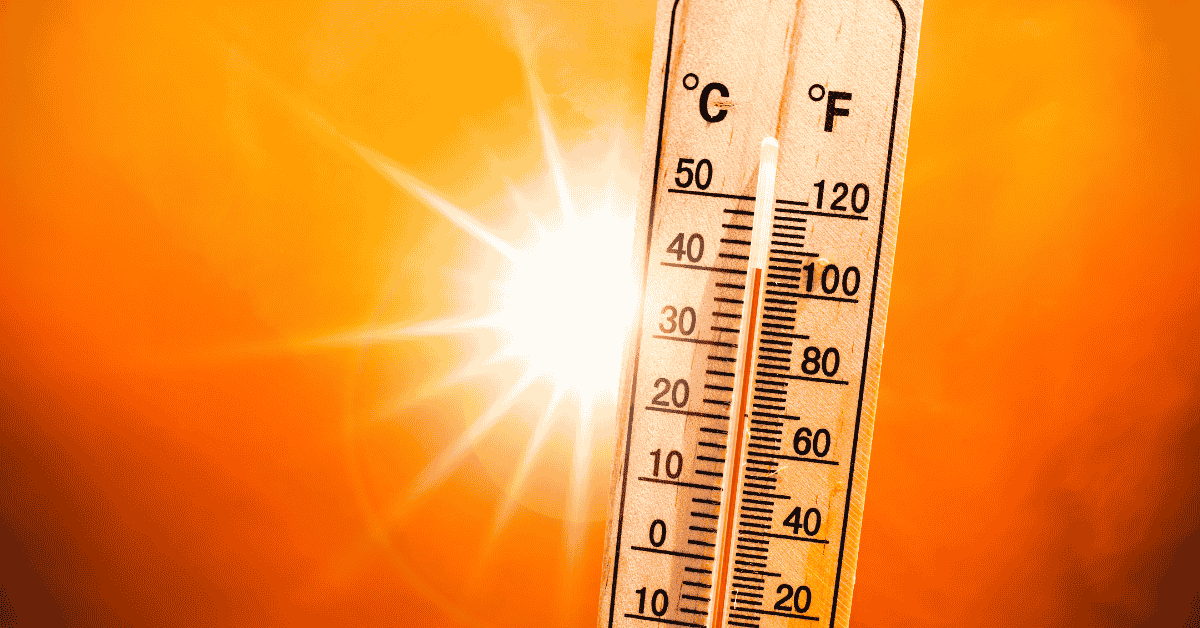
Living in Phoenix means enjoying sunshine almost year-round—but it also means dealing with some of the most extreme summer temperatures in the United States. When temperatures climb past 100°F and sometimes even 115°F, your air conditioning system has to work overtime to keep your home comfortable.
If your AC seems to struggle during the hottest months, you’re not alone. Many homeowners notice their system running constantly, blowing warm air, or failing to cool their home properly during peak summer heat.
Understanding why your AC struggles in Phoenix’s desert climate can help you prevent breakdowns, reduce energy costs, and extend the lifespan of your HVAC system.
Let’s take a closer look at why this happens—and what you can do about it.
Phoenix Heat Pushes AC Systems to Their Limits
Air conditioners operate by removing heat from inside your home and releasing it outside. But when outdoor temperatures are extremely high, the system has to work much harder to transfer that heat.
During a Phoenix summer, the temperature difference between inside and outside can exceed 40–50 degrees. This creates enormous stress on your AC system.
As a result, your air conditioner may:
-
Run almost continuously
-
Struggle to maintain your thermostat setting
-
Experience faster wear and tear
-
Consume more electricity
This constant workload is one of the biggest reasons homeowners call AC Medics for professional AC repair during the summer months.
5 Common Reasons Your AC Struggles in the Arizona Heat
1. Dirty Air Filters
Clogged air filters restrict airflow, forcing your air conditioner to work harder to circulate cool air throughout your home.
In Phoenix’s dusty desert environment, filters can become dirty much faster than in other parts of the country.
Signs of a dirty filter include:
-
Weak airflow
-
Dust buildup around vents
-
Increased energy bills
Experts often recommend replacing air filters every 30–60 days during peak summer months.
2. Low Refrigerant Levels
Refrigerant is the chemical responsible for absorbing heat from inside your home. If refrigerant levels drop due to leaks, your AC cannot cool effectively.
Common symptoms include:
-
Warm air from vents
-
Ice forming on refrigerant lines
-
AC running constantly without cooling
A licensed HVAC technician must diagnose and repair refrigerant leaks before recharging the system.
3. Overworked Condenser Unit
The outdoor condenser unit releases heat removed from your home. When outdoor temperatures exceed 100°F, the condenser struggles to release that heat efficiently.
Dust, debris, and poor airflow around the unit can make the situation even worse.
Homeowners should keep at least two feet of clearance around the condenser and remove dirt or leaves regularly.
4. Aging Air Conditioning Systems
Extreme heat shortens the lifespan of HVAC equipment. In moderate climates, an AC system may last 15–20 years.
In Phoenix, however, many systems begin losing efficiency after 10–12 years due to constant high temperatures.
Older systems often struggle to keep up with cooling demands and require more frequent repairs.
5. Poor System Maintenance
Routine maintenance is one of the most important steps homeowners can take to prevent AC problems.
Without regular tune-ups, HVAC systems develop issues like:
-
Dirty coils
-
Loose electrical connections
-
Refrigerant leaks
-
Failing motors
Preventative maintenance helps identify these issues early before they lead to expensive breakdowns.
What Homeowners Can Do to Help Their AC Perform Better
While Phoenix heat is unavoidable, there are several ways to help your AC system operate more efficiently.
Adjust Your Thermostat
Setting your thermostat slightly higher during the hottest part of the day can reduce strain on your system. Many experts recommend a temperature of 76–78°F when you are home.
Use Ceiling Fans
Ceiling fans help circulate cool air throughout the room, making it feel several degrees cooler without lowering the thermostat.
Seal Air Leaks
Air leaks around doors, windows, and ductwork allow cool air to escape, forcing your AC to work harder.
Proper sealing and insulation can significantly improve efficiency.
Schedule Professional AC Maintenance
Routine HVAC inspections ensure your system is operating at peak performance before summer heat arrives.
A professional technician can:
-
Clean coils
-
Check refrigerant levels
-
Inspect electrical components
-
Test system performance
Preventative maintenance reduces the likelihood of emergency repairs during extreme heatwaves.
When to Call an HVAC Professional
If your AC is showing signs of trouble—such as warm air, strange noises, weak airflow, or unusually high energy bills—it’s important to address the issue quickly.
Ignoring small problems can lead to more expensive repairs or even complete system failure.
Professional technicians at AC Medics specialize in diagnosing and repairing air conditioning issues throughout the Phoenix metro area.
Keep Your Home Cool All Summer Long
Phoenix summers are tough on HVAC systems, but the right maintenance and professional care can keep your air conditioner running efficiently even during extreme heat.
Whether your system needs routine maintenance, repairs, or a full replacement, working with experienced HVAC professionals can help ensure your home stays cool and comfortable year-round.
If your AC is struggling to keep up with the Arizona heat, consider scheduling an inspection with the experienced team at AC Medics to restore comfort and efficiency to your home.
AC Feeling Under the Weather?
Schedule a Checkup Now!
Living in Phoenix means enjoying sunshine almost year-round—but it also means dealing with some of the most extreme summer temperatures in the United States. When temperatures climb past 100°F and sometimes even 115°F, your air conditioning system has to work overtime to keep your home comfortable.
If your AC seems to struggle during the hottest months, you’re not alone. Many homeowners notice their system running constantly, blowing warm air, or failing to cool their home properly during peak summer heat.
Understanding why your AC struggles in Phoenix’s desert climate can help you prevent breakdowns, reduce energy costs, and extend the lifespan of your HVAC system.
Let’s take a closer look at why this happens—and what you can do about it.
Phoenix Heat Pushes AC Systems to Their Limits
Air conditioners operate by removing heat from inside your home and releasing it outside. But when outdoor temperatures are extremely high, the system has to work much harder to transfer that heat.
During a Phoenix summer, the temperature difference between inside and outside can exceed 40–50 degrees. This creates enormous stress on your AC system.
As a result, your air conditioner may:
-
Run almost continuously
-
Struggle to maintain your thermostat setting
-
Experience faster wear and tear
-
Consume more electricity
This constant workload is one of the biggest reasons homeowners call AC Medics for professional AC repair during the summer months.
5 Common Reasons Your AC Struggles in the Arizona Heat
1. Dirty Air Filters
Clogged air filters restrict airflow, forcing your air conditioner to work harder to circulate cool air throughout your home.
In Phoenix’s dusty desert environment, filters can become dirty much faster than in other parts of the country.
Signs of a dirty filter include:
-
Weak airflow
-
Dust buildup around vents
-
Increased energy bills
Experts often recommend replacing air filters every 30–60 days during peak summer months.
2. Low Refrigerant Levels
Refrigerant is the chemical responsible for absorbing heat from inside your home. If refrigerant levels drop due to leaks, your AC cannot cool effectively.
Common symptoms include:
-
Warm air from vents
-
Ice forming on refrigerant lines
-
AC running constantly without cooling
A licensed HVAC technician must diagnose and repair refrigerant leaks before recharging the system.
3. Overworked Condenser Unit
The outdoor condenser unit releases heat removed from your home. When outdoor temperatures exceed 100°F, the condenser struggles to release that heat efficiently.
Dust, debris, and poor airflow around the unit can make the situation even worse.
Homeowners should keep at least two feet of clearance around the condenser and remove dirt or leaves regularly.
4. Aging Air Conditioning Systems
Extreme heat shortens the lifespan of HVAC equipment. In moderate climates, an AC system may last 15–20 years.
In Phoenix, however, many systems begin losing efficiency after 10–12 years due to constant high temperatures.
Older systems often struggle to keep up with cooling demands and require more frequent repairs.
5. Poor System Maintenance
Routine maintenance is one of the most important steps homeowners can take to prevent AC problems.
Without regular tune-ups, HVAC systems develop issues like:
-
Dirty coils
-
Loose electrical connections
-
Refrigerant leaks
-
Failing motors
Preventative maintenance helps identify these issues early before they lead to expensive breakdowns.
What Homeowners Can Do to Help Their AC Perform Better
While Phoenix heat is unavoidable, there are several ways to help your AC system operate more efficiently.
Adjust Your Thermostat
Setting your thermostat slightly higher during the hottest part of the day can reduce strain on your system. Many experts recommend a temperature of 76–78°F when you are home.
Use Ceiling Fans
Ceiling fans help circulate cool air throughout the room, making it feel several degrees cooler without lowering the thermostat.
Seal Air Leaks
Air leaks around doors, windows, and ductwork allow cool air to escape, forcing your AC to work harder.
Proper sealing and insulation can significantly improve efficiency.
Schedule Professional AC Maintenance
Routine HVAC inspections ensure your system is operating at peak performance before summer heat arrives.
A professional technician can:
-
Clean coils
-
Check refrigerant levels
-
Inspect electrical components
-
Test system performance
Preventative maintenance reduces the likelihood of emergency repairs during extreme heatwaves.
When to Call an HVAC Professional
If your AC is showing signs of trouble—such as warm air, strange noises, weak airflow, or unusually high energy bills—it’s important to address the issue quickly.
Ignoring small problems can lead to more expensive repairs or even complete system failure.
Professional technicians at AC Medics specialize in diagnosing and repairing air conditioning issues throughout the Phoenix metro area.
Keep Your Home Cool All Summer Long
Phoenix summers are tough on HVAC systems, but the right maintenance and professional care can keep your air conditioner running efficiently even during extreme heat.
Whether your system needs routine maintenance, repairs, or a full replacement, working with experienced HVAC professionals can help ensure your home stays cool and comfortable year-round.
If your AC is struggling to keep up with the Arizona heat, consider scheduling an inspection with the experienced team at AC Medics to restore comfort and efficiency to your home.